
Idaho Pool Ownership: Best Practices for Maintaining Swimming Pools in Idaho's Seasonal Climate
Swimming pools offer a perfect way to relax, exercise, and enjoy the warm months in Idaho. However, maintaining a pool in this region requires attention to specific local conditions such as climate, water quality, and seasonal changes. Proper care ensures your pool stays clean, safe, and inviting throughout the swimming season and beyond.
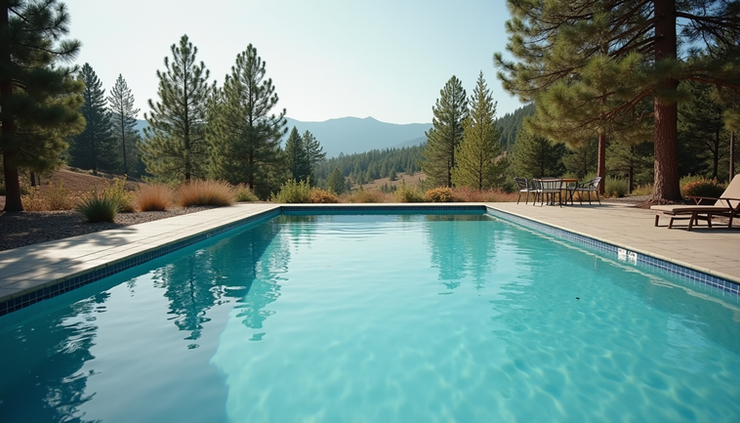
Understanding Idaho’s Climate and Its Impact on Pools
Idaho experiences a range of weather conditions, from hot summers to cold winters with snow. These seasonal changes affect pool maintenance routines:
Summer heat increases water evaporation and encourages algae growth.
Spring and fall bring fluctuating temperatures that can affect water chemistry.
Winter freezes can damage pool equipment and surfaces if not properly winterized.
Knowing how the climate influences your pool helps you plan maintenance tasks effectively.
Regular Water Testing and Chemical Balance
Maintaining the right chemical balance is crucial for keeping pool water safe and clear. Idaho’s natural water sources often contain minerals that can affect pool chemistry, so frequent testing is necessary.
Test pool water at least twice a week during the swimming season.
Check pH levels, aiming for a range between 7.2 and 7.8.
Monitor chlorine levels to keep them between 1 and 3 parts per million (ppm).
Test alkalinity and calcium hardness to prevent corrosion or scaling.
Use a reliable pool test kit or consider professional water testing services.
Adjust chemicals based on test results to avoid skin irritation, cloudy water, or damage to pool surfaces.
Efficient Filtration and Circulation
Proper filtration removes debris, dirt, and contaminants from pool water. Idaho’s outdoor pools often face challenges like pine needles, dust, and pollen.
Run your pool pump daily for 8 to 12 hours to ensure complete water circulation.
Clean or backwash filters regularly according to manufacturer instructions.
Inspect skimmers and baskets frequently to remove leaves and debris.
Consider upgrading to a high-efficiency pump to save energy and improve filtration.
Good circulation helps distribute chemicals evenly and prevents stagnant water, reducing algae and bacteria growth.
Managing Algae and Preventing Stains
Algae can quickly take hold in Idaho pools, especially during warm months. Preventing algae growth requires consistent maintenance:
Use algaecides weekly as a preventive measure.
Brush pool walls and floors regularly to remove algae spores.
Shock the pool with a high dose of chlorine after heavy use or rainstorms.
Address stains promptly by identifying their cause (e.g., metals, organic matter) and using appropriate stain removers.
Keeping algae under control maintains water clarity and protects pool surfaces.
Seasonal Pool Care: Opening and Closing
Idaho’s cold winters mean most pools need to be closed properly to avoid damage and reopened carefully for the summer.
Opening Your Pool in Spring
Remove and clean the pool cover.
Inspect equipment for damage or wear.
Refill the pool to the proper water level.
Test and balance water chemistry.
Clean the pool thoroughly before use.
Closing Your Pool in Fall
Clean the pool and balance the water.
Lower the water level below skimmer level.
Drain pool equipment like pumps and filters.
Add winterizing chemicals to prevent algae and bacteria.
Cover the pool securely to keep out debris.
Proper opening and closing extend the life of your pool and reduce costly repairs.
Protecting Pool Equipment from Idaho Weather
Pool pumps, heaters, and filters are vital but vulnerable to Idaho’s weather extremes.
Insulate exposed pipes to prevent freezing.
Use weatherproof covers for pumps and heaters.
Schedule regular professional inspections to catch issues early.
Replace worn seals and gaskets before winter.
Taking care of equipment ensures reliable operation and avoids unexpected breakdowns.
Troubleshooting Common Pool Problems in Idaho
Even with good care, problems can arise. Here are solutions for typical issues:
Cloudy water: Check filtration, clean filters, and balance chemicals.
Green water: Shock the pool and brush surfaces to eliminate algae.
Low water level: Check for leaks or evaporation; refill as needed.
Strong chlorine smell: Test for combined chlorine and shock the pool.
Equipment noise or failure: Inspect for debris or worn parts; call a professional if needed.
Addressing problems quickly keeps your pool safe and enjoyable.
Tips for Idaho Pool Owners to Save Money
Maintaining a pool can be costly, but smart choices help reduce expenses:
Perform routine maintenance
Invest in an automatic pool cover to reduce evaporation and heating costs
Schedule equipment maintenance before peak season
Use timers for pumps and lights to save energy
Shop for pool chemicals in bulk or during sales
These steps allow you to enjoy your pool without increasing the need for expensive repairs.
Maintaining a swimming pool in Idaho requires attention to local climate, water quality, and seasonal changes. By testing water regularly, managing filtration, preventing algae, and protecting equipment, you can keep your pool clean and safe all year. Taking proactive steps during opening and closing seasons and adopting eco-friendly habits will extend your pool’s life and reduce costs. Start with a clear maintenance plan today to enjoy refreshing swims throughout Idaho’s warm months.


Comments